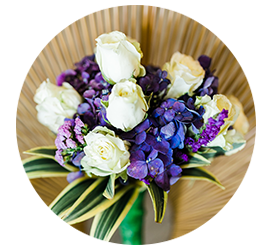
Ponders End florist options for weddings and events
Posted on 14/10/2026
Ponders End florist options for weddings and events: a practical guide to choosing the right flowers
If you are planning a wedding, a party, a corporate function, or a special celebration, Ponders End florist options for weddings and events can feel like one of those decisions that looks simple at first and then suddenly is not. Flowers shape the room, set the tone, and quietly pull everything together. A bouquet in the right colour can soften a venue. A table arrangement can make a modest space feel considered. And the wrong choice? Well, you notice that too.
This guide walks through how to choose florist options in Ponders End for weddings and events, what to expect, how the process usually works, and which details matter most when you want the flowers to look polished on the day. It is written for real-life planning, not theory. Let's face it, event flowers are one of those things people remember more than they expect.
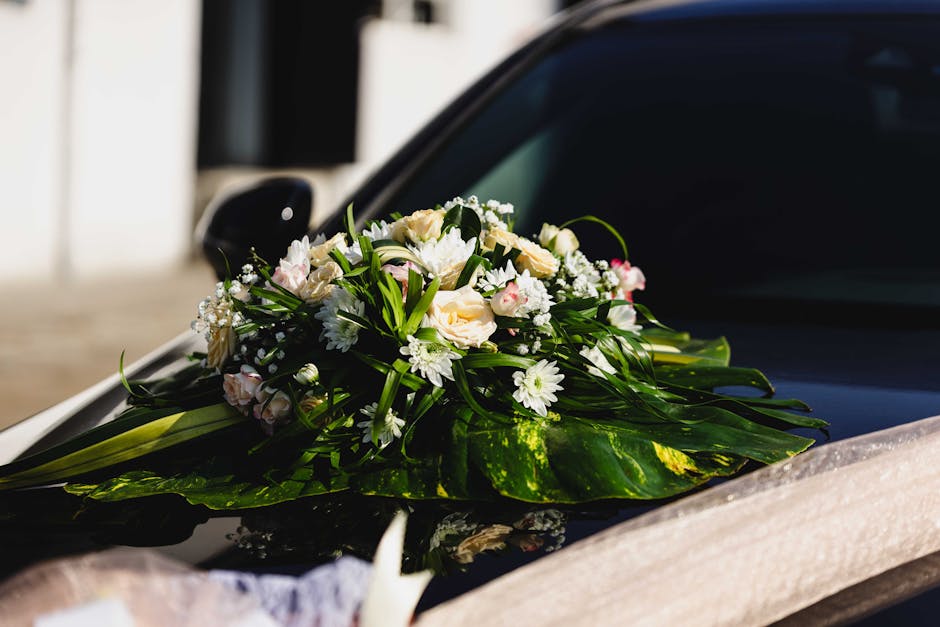
Table of Contents
- Why Ponders End florist options for weddings and events Matters
- How Ponders End florist options for weddings and events Works
- Key Benefits and Practical Advantages
- Who This Is For and When It Makes Sense
- Step-by-Step Guidance
- Expert Tips for Better Results
- Common Mistakes to Avoid
- Tools, Resources and Recommendations
- Law, Compliance, Standards, or Best Practice
- Options, Methods, or Comparison Table
- Case Study or Real-World Example
- Practical Checklist
- Conclusion
- Frequently Asked Questions
Why Ponders End florist options for weddings and events Matters
Flowers do more than decorate. For a wedding, they help create the mood you want people to feel the moment they walk in. For an event, they can signal brand quality, warmth, formality, or fun. In a place like Ponders End, where many celebrations are planned with a mix of local convenience and London-wide expectations, a good florist option can save time, reduce stress, and make the whole day look cohesive rather than cobbled together.
That matters because weddings and events are usually run to a timetable. One missing bouquet or a late delivery can throw everything off. A florist who understands event work knows how to work backwards from the ceremony start time, venue access rules, and the moments when photos are likely to happen. Simple on paper. Tricky in real life.
There is also the emotional side. A wedding bouquet, a table centrepiece, or a statement installation is not just another item on a checklist. It is part of someone's memory. Years later, people may not remember the exact napkin fold, but they often remember the shape of the flowers, the colour at the altar, or the scent near the entrance. That's the bit that sticks.
For local buyers, the advantage of looking at Ponders End florist options is familiarity. Local florists are often better placed to understand traffic, delivery timing, venue access, and the practical realities of serving nearby areas in North London. If you also need everyday flowers around the planning period, you may find it useful to browse a broader range such as flower delivery in Enfield Wash or the general florist service for comparison with event-focused arrangements.
How Ponders End florist options for weddings and events Works
Most event flower orders follow a similar pattern, although the details vary depending on the scale of the day. You start with the occasion, the venue, the colours, and the number of people or tables to be dressed. Then you move into style, stem choices, delivery timing, and setup needs.
For weddings, the florist may supply some or all of the following:
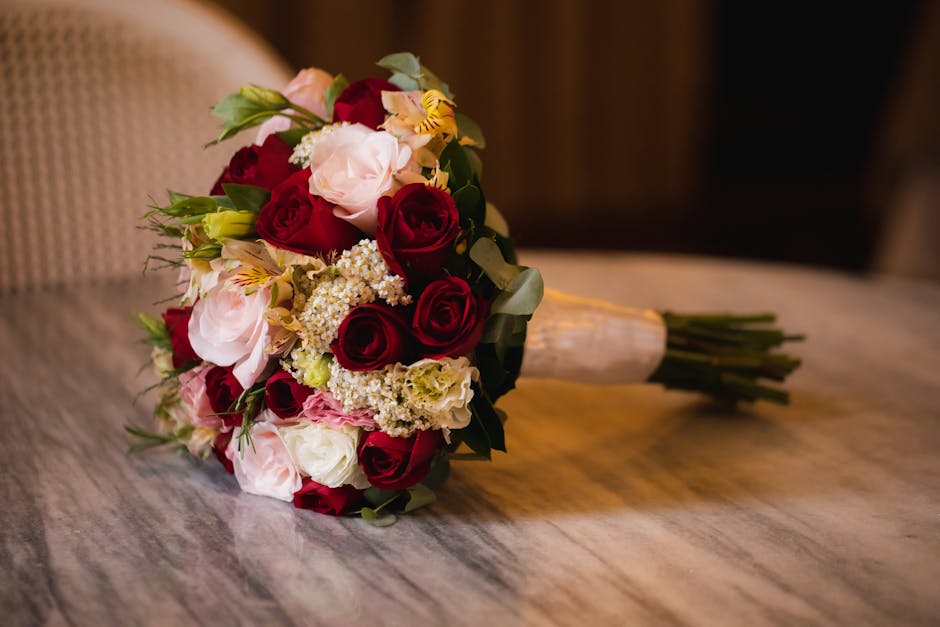
- bridal bouquet
- bridesmaid bouquets
- buttonholes or boutonnieres
- table centrepieces
- top-table or ceremony flowers
- entrance arrangements
- aisle or aisle-end flowers
- venue dressing pieces
For events, the list can be different. Think of welcome arrangements, stage flowers, dinner table designs, reception florals, sympathy arrangements for solemn gatherings, or branded pieces for corporate events. A florist who works across categories tends to be more adaptable. If you are coordinating multiple flower needs, it can be useful to compare occasion-based products like wedding flowers, bridal bouquets, and table arrangements to see how the style language changes from one piece to another.
The process usually goes like this: you share your brief, the florist suggests suitable flowers and styles, you confirm quantities and timing, and the flowers are prepared close to the event for freshness. If delivery is needed, the florist plans around venue access, parking, and setup time. In our experience, the best results happen when the client gives the florist enough freedom to interpret the brief without handing over every tiny decision. Otherwise it can get fussy. And flowers do not love fuss, truth be told.
On the product side, many local shops offer ready-made collections as well as bespoke work. That can be helpful if you are trying to balance taste and budget. For example, a couple may choose a custom bridal bouquet but use simpler bridesmaid pieces or table flowers from a matching range. The same principle works for events: a statement arrangement at the entrance, with more understated pieces across the room.
Key Benefits and Practical Advantages
Choosing the right florist for a wedding or event in Ponders End gives you more than nice-looking flowers. It gives you structure.
- Consistency: The bouquet, centrepieces, and buttonholes can all feel like they belong to the same story.
- Time saving: A good florist handles sourcing, conditioning, arranging, and delivery so you do not have to.
- Local convenience: A nearby florist is easier to speak with, brief, and coordinate, especially if plans change.
- Better event flow: Flowers arrive when they should, which matters more than people think.
- Style guidance: Florists can translate vague ideas like "romantic but not too girly" into actual stems and colours. That brief, by the way, is more common than you might expect.
- Budget control: A florist can often suggest where to spend and where to simplify without losing the overall effect.
There is also a practical design benefit. Florists know which flowers open quickly, which last well in warm rooms, and which varieties work better for handheld pieces than for centrepieces. That sort of judgement is not glamorous, but it is what keeps the flowers looking right from first look to last dance.
If you need broader inspiration across products, browsing collections like all flowers or luxury flowers can help you understand the style range a florist offers before you commit to wedding or event pieces.
Who This Is For and When It Makes Sense
Ponders End florist options for weddings and events make sense for a wide range of people, not just couples planning a big wedding.
You may benefit if you are:
- planning a civil ceremony, registry office wedding, or full reception
- organising an engagement party or anniversary celebration
- coordinating flowers for a corporate launch, dinner, or awards evening
- hosting a family gathering where you want the room to feel special
- arranging flowers for a cultural celebration with specific colour or symbolic requirements
- trying to keep things elegant on a practical budget
- working to a tight schedule and need delivery to land cleanly
The question to ask yourself is simple: do you want flowers that just "show up," or flowers that actually support the event? If the answer is the second one, a florist with wedding and event experience is worth considering.
For smaller, more intimate events, ready-made products can work beautifully. A few well-chosen arrangements can transform a room without turning the day into a logistics exercise. For larger celebrations, you will probably want a collection approach, with matching pieces across different parts of the venue. Think bouquet, buttonhole, entrance arrangement, and table flowers working together rather than four separate ideas fighting for attention.
Step-by-Step Guidance
If you want the process to feel manageable, it helps to break it down.
- Define the event type. Wedding, engagement, corporate function, dinner party, memorial, or mixed celebration. This shapes everything else.
- Set the mood. Romantic, classic, modern, rustic, bright, soft, dramatic, formal, or relaxed. Choose the feeling before the flower list.
- Work out what is actually needed. Bride, bridesmaids, groom, tables, ceremony area, reception, entrance, and any extras.
- Think about the venue. High ceilings, small tables, low light, a warm room, or a busy entrance all affect flower choice.
- Choose a colour palette. Keep it simple if you are unsure. Two or three colours is often enough.
- Discuss budget openly. It saves time and prevents awkward surprises later.
- Confirm delivery and setup details. Who is receiving the flowers? Is the venue accessible? Is there a time window?
- Review substitutions. Seasonal flowers may vary, so ask how the florist handles equivalent replacements.
- Check care instructions. Wedding bouquets and event flowers need the right handling before display.
- Leave room for one small special touch. A ribbon detail, a favourite bloom, or a matching accent can make the whole thing feel personal.
A good local example: a couple with a late-afternoon ceremony may choose a compact bridal bouquet, simple buttonholes, and a few low table designs rather than large installations. That keeps the look elegant without overcrowding the room. Another example: a corporate dinner might use strong, low arrangements that do not block conversation. Sensible, not showy. That is often the sweet spot.
If you are ordering around a busy celebration period, you may also want to look at delivery-friendly options such as same-day flower delivery or next-day flower delivery for shorter-notice needs, though event work is usually best planned in advance.
Expert Tips for Better Results
Here is where small decisions make a big difference.
1. Match scale to the venue. A huge arrangement in a small room can feel crowded. A tiny bouquet in a grand hall can disappear. Size matters, annoyingly enough.
2. Prioritise flowers that hold well. If your event runs for several hours, ask which blooms keep their shape and colour through warm rooms, transport, and photographs.
3. Use texture, not just colour. Roses, lisianthus, hydrangea, and seasonal foliage can create depth without needing an overwhelming number of stems.
4. Keep the ceremony flowers and reception flowers related. They do not have to be identical, but they should sound like the same design family.
5. Do not overcomplicate the brief. Sometimes "soft white and green with one romantic accent shade" is easier to work with than a five-page Pinterest mood board. Yes, Pinterest is helpful. It can also be a rabbit hole.
6. Ask about substitutes early. Seasonal availability changes. A skilled florist will suggest alternatives that keep the style intact.
7. Think about photographs. Flower colour against dresses, table linen, and room lighting can completely change the effect.
8. Include one practical anchor piece. A top table spray, ceremony entrance piece, or centrepiece can tie the room together even if the rest is minimal.
One more thing: if the florist offers matching cards, gifts, or add-ons, that can help when you need several event-related items from the same place. For instance, small thank-you gifts or celebration add-ons are easier to organise when one supplier handles the overall look. You can see how occasion ranges are organised through options such as any occasion and thank you flowers, which can be useful as supporting pieces around a bigger celebration.
Common Mistakes to Avoid
Most flower problems are not really flower problems. They are planning problems in disguise.
- Leaving it too late: Wedding and event florals need time, especially if several pieces must match.
- Ignoring venue constraints: Not every venue is easy for deliveries, parking, or setup.
- Choosing style before function: A dramatic arrangement that blocks guests' faces is not a win.
- Not confirming what is included: Delivery, setup, and breakdown are not always bundled the same way.
- Forgetting backup options: If a flower is unavailable, the florist needs room to adapt.
- Trying to match everything exactly: A little variation often looks more natural and elegant.
- Underestimating the importance of communication: If the venue changes or timing shifts, tell the florist quickly.
Another common issue is ordering event flowers as if they are regular gift flowers. They are not. A birthday bouquet can be flexible. A wedding bouquet, frankly, cannot be winged on the morning of the ceremony. You want planning, confirmation, and a clear delivery window.
For more generic celebration flowers, options such as best sellers can be useful, but event work usually benefits from a more tailored approach.
Tools, Resources and Recommendations
You do not need a complicated toolkit, but a few practical resources help a lot.
- Venue notes: doorway sizes, access times, table counts, and any setup restrictions.
- Colour references: fabric swatches, invitation designs, or simple phone images.
- Guest or table plan: useful when deciding how many arrangements you really need.
- Budget range: even a broad figure helps the florist recommend suitable options.
- Timeline: ceremony time, guest arrival time, and when photos are likely to happen.
It also helps to look at product families before you decide. Wedding collections, bridesmaid bouquets, buttonholes, and table arrangements are often designed to work together. Browsing items like bridesmaid bouquets, wedding buttonholes, and wedding table arrangements gives you a clearer sense of the visual system behind the flowers, not just the individual item.
If you are still exploring the local market, the shop pages can also help you compare styles, from understated and classic to more luxurious looks. Sometimes a quick browse tells you more than a long call, oddly enough. Then you can go back with better questions.
Law, Compliance, Standards, or Best Practice
For most wedding and event floristry, the key compliance points are practical rather than legal-heavy. That said, some best practices are worth keeping in mind.
Delivery and access: Venue rules matter. Many venues have narrow loading windows, restricted parking, or specific handover points. A florist should plan for that and confirm who can receive the flowers.
Freshness and handling: Flowers should be stored, transported, and displayed carefully to protect quality. This includes avoiding direct heat and keeping arrangements hydrated where appropriate.
Substitutions: If a flower is unavailable, the florist should use a sensible equivalent and keep the overall design style consistent. That is standard good practice.
Consumer clarity: In the UK, it is sensible to ask what happens if an order is delayed, changed, or needs a correction. Clear terms and refund policies help prevent confusion later. A reputable florist will usually be straightforward about this.
Accessibility and inclusivity: For events, it is often worth thinking about fragrance intensity, table height, and whether arrangements block sightlines for guests. Those small details make a big difference in how comfortable the room feels.
Sustainability: Many buyers now ask about responsible sourcing, reusable vases, recyclable packaging, and waste reduction. If that matters to you, ask the florist how they approach it. The answer should be plain, not vague.
You can also review site policies and business information where helpful, such as sustainability, delivery, returns and refund, and guarantees. Those pages are useful for understanding service standards before placing a larger order.
Options, Methods, or Comparison Table
Different flower-buying approaches suit different events. The right one depends on scale, budget, and how hands-on you want to be.
| Option | Best for | Pros | Watch-outs |
|---|---|---|---|
| Ready-made wedding collections | Simple weddings, straightforward styling | Easy to choose, cohesive look, quicker decision-making | Less flexibility than bespoke work |
| Bespoke floral brief | Unique weddings or branded events | Tailored to the venue and colour palette | Needs clearer planning and more lead time |
| Mixed approach | Events with a fixed budget | Good balance of control and convenience | Requires careful coordination so it still looks unified |
| Minimal accent flowers | Small venues or intimate gatherings | Cost-conscious, less logistical pressure | Can feel underdone if the space is large |
In practice, many couples and organisers use a mixed approach. They may choose one focal statement, then use simpler supporting pieces around it. That gives you impact without trying to decorate every corner of the room. Which, let us be honest, can get expensive fast.
Case Study or Real-World Example
Here is a realistic scenario. A couple planning a small wedding in Ponders End wanted something elegant but not fussy. They had a late afternoon ceremony, a short reception, and a room that already had strong features, so they did not need huge florals everywhere.
They chose a coordinated set: a bridal bouquet, two bridesmaid bouquets, buttonholes, and low table arrangements. The palette stayed soft and romantic, with enough contrast to photograph well but not so much that it clashed with the venue. The florist also suggested keeping the table pieces low so guests could talk across the table without peering around them. Good call, because nobody wants to spend dinner moving flowers out of the way.
On the day, the flowers arrived with time to spare. The ceremony area looked finished, the bouquet read well in photos, and the room felt tied together without feeling overdone. What mattered most was not just the flowers themselves, but the fact that they were planned with the venue and schedule in mind. That is the whole trick, really.
For a different sort of event, think of a business dinner with brand colours and a presentation area. Rather than going for bright, tall displays everywhere, the florist can create lower centrepieces, one strong entrance design, and a modest stage arrangement. It looks professional, stays out of the way, and still feels special.
Practical Checklist
Use this checklist before placing your order.
- Have you confirmed the event date and start time?
- Do you know the venue name, access rules, and delivery window?
- Have you chosen your main colour palette?
- Do you know which items you need: bouquet, buttonholes, table flowers, entrance flowers, or something else?
- Have you set a realistic budget?
- Have you asked about substitutions if certain blooms are unavailable?
- Have you checked whether setup is included?
- Do you know how the flowers should be stored before display?
- Have you reviewed any venue limitations on height, scent, or access?
- Have you left time for final changes before the event?
If you can tick most of those boxes, you are in a good place. Not perfect. Good enough to move forward with confidence. That is usually what people need.
Get a free quote today and see how much you can save.
Conclusion
Choosing Ponders End florist options for weddings and events is really about combining taste with good planning. The best florist choice is not just the one with the prettiest photos. It is the one that understands timing, venue conditions, budget limits, and the feeling you want the day to have.
Whether you are planning a small ceremony, a larger celebration, or a polished corporate event, thoughtful flowers can make the setting feel complete. Keep the brief clear, stay realistic about scale, and let the florist do what they do best. That way, the flowers do not just decorate the room. They help shape the memory.
And that, to be fair, is what most people are really paying for.
Frequently Asked Questions
What should I look for in Ponders End florist options for weddings and events?
Look for clear communication, event experience, flexible design options, and a style range that suits your venue. It also helps if the florist can explain delivery and setup clearly.
How far in advance should I book wedding flowers?
For weddings, it is sensible to book as early as you can, especially if you want a specific style or a busy date. Smaller events may need less lead time, but earlier is still better.
Can a florist handle both wedding and event flowers?
Yes. Many florists work across weddings, parties, and corporate events. The key is whether they can adjust design, scale, and timing to the type of event you are planning.
Are bespoke flowers always better than ready-made options?
Not always. Bespoke flowers are best when you want a tailored look or have specific venue needs. Ready-made options can be excellent for simpler events or tighter budgets.
How do I keep event flowers within budget?
Be clear about your budget from the start, focus on a few high-impact areas, and choose flowers that work well in the chosen season. A good florist can suggest where to save without making the arrangement feel sparse.
What flowers are best for weddings and events?
That depends on the look, season, and setting. Roses, lilies, lisianthus, hydrangea, chrysanthemums, and mixed seasonal blooms are all common choices, but the best option depends on your brief.
Do I need different flowers for the ceremony and reception?
Not necessarily. Many people use one design language across both spaces, with slight changes in scale. That keeps the day feeling connected and avoids unnecessary complexity.
What if my venue has delivery restrictions?
Tell the florist as early as possible. Venue access issues are common, and a local florist can usually plan around them with the right notice.
Can I order event flowers if I am also buying regular delivery flowers?
Yes, and it can be useful if you want gifts, thank-you flowers, or supporting arrangements around the main event. Just make sure each order is clearly labelled and timed.
How do florists handle unavailable flowers?
Usually by substituting with a similar flower of equal style and value, while keeping the overall design intact. This is normal and often sensible, especially with seasonal blooms.
Are local Ponders End florists better for event delivery?
Often, yes, because local florists are familiar with nearby routes, venue access patterns, and timing issues. That can make delivery and setup less stressful.
What is the most common mistake people make with wedding flowers?
Leaving the order too late or giving too little detail about the venue and schedule. Flowers are visual, but the logistics matter just as much.
Should I choose flowers based on photos or on advice from the florist?
Use both. Photos help you define the style, but florist advice is invaluable for durability, scale, and seasonal availability. The best results usually come from a mix of inspiration and practical guidance.